Filters

Changing any of the form inputs will cause the list of events to refresh with the filtered results.

Latest Past Events

USAging’s Aging Policy Briefing

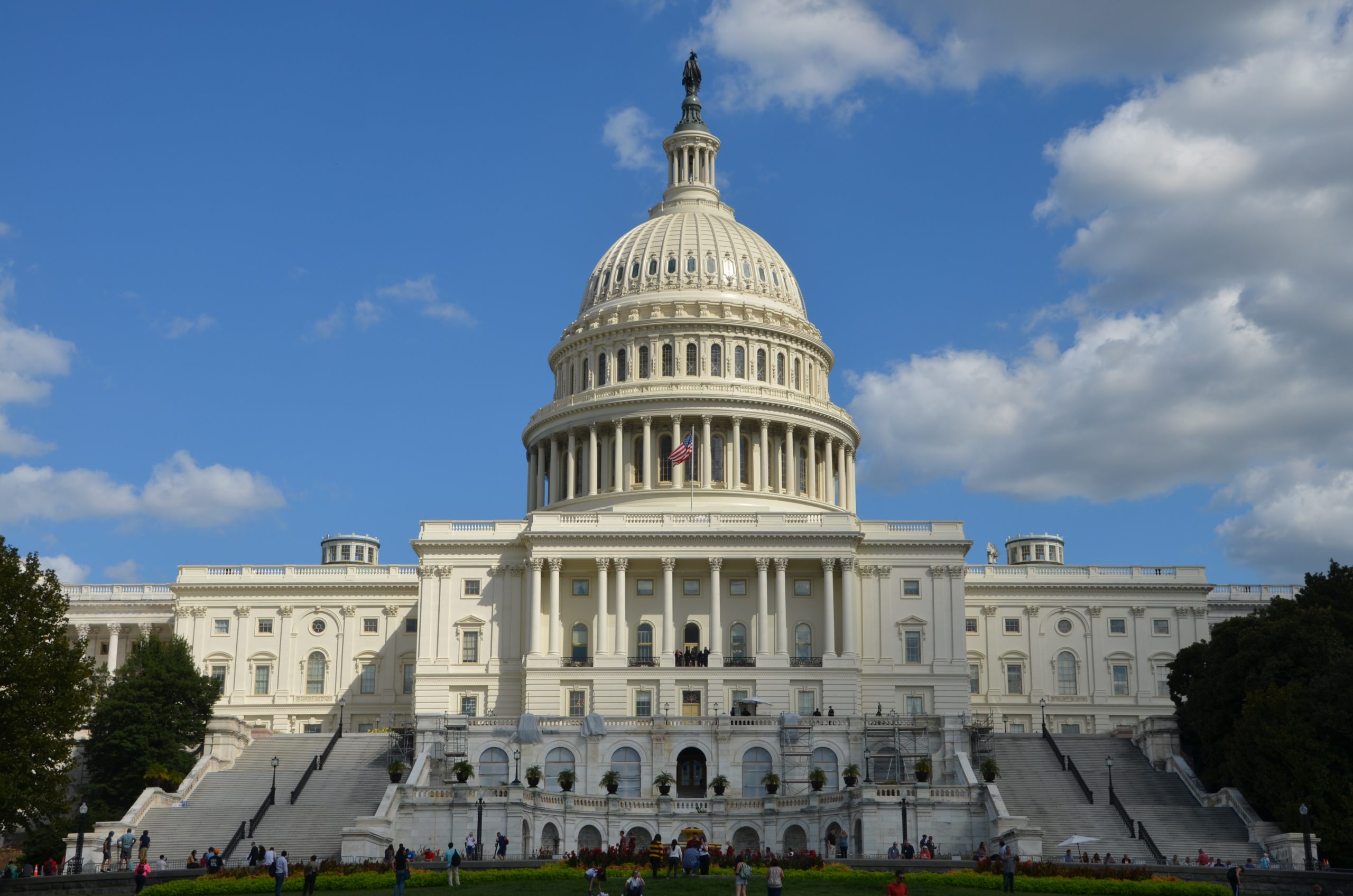
REGISTER FOR THIS EVENT HERE. USAging is thrilled to announce our return to an in-person policy briefing in Washington, DC, this coming March! Join us as cherry blossoms begin to bloom and let your advocacy take root right here in the nation’s capital! The first year of the Biden Administration and the 117th Congress has seen unprecedented investment in the Older Americans Act and other aging programs—affecting caregivers, the direct care workforce, Medicare, Medicaid, transportation, housing and more. Local and national advocacy efforts around the critical need for increased home and community-based services for older adults has been amplified throughout the pandemic. AAAs and Title VI programs around the country have raised the visibility of these essential programs and services, bringing to the forefront the vital role in which you serve your community and state.  With the culmination of COVID-19 relief funding, potential Build Back Better investments, the need for continued advocacy for sustained annual funding and a shifting political dynamic in the coming election year, it’s more important than ever for aging advocates, YOU, to join us in Washington to navigate our new political realities and changing legislative landscape. Attendees will learn more about advocating for today’s aging policy priorities, gain insider analysis of the policy landscape in Washington, and get the messaging and advocacy tools and tactics to best serve older adults and caregivers at the local, state and national levels. And in exciting news, USAging’s Aging and Disability Business Institute will once again host a special intensive session on a soon-to-be-announced topic! You really can’t afford to miss the 2022 USAging Policy Briefing, mingle with peers just steps from the Capitol and get the latest policy insights that will help you advocate successfully for the older adults and caregivers you serve in your communities.

The Role of CBOs and CBO Networks in Comprehensive Dementia Care Models

REGISTER FOR THIS WEBINAR HERE. Community-based organizations (CBOs) play an important role in meeting the needs of individuals living with dementia and their families. This webinar will discuss the need to build dementia care models to support this growing population. Nora Super of the Milken Institute will present the findings of the new Alliance to Improve Dementia Care report, “Scaling Comprehensive Dementia-Care Models.” The webinar will explain recommendations to enhance dementia care and payment policies in traditional Medicare, with a particular focus on the need to develop mechanisms to pay CBOs for services provided to individuals living with dementia and their caregivers. Mark Cullen from Trellis, a AAA in Minnesota, will discuss Juniper, a statewide network of CBOs that delivers evidence-based health promotion programs. Cullen will describe the development of the network, including challenges and lessons learned, and discuss how they are evolving their network to deliver dementia-focused services. Participants in this webinar will be able to: Understand the recommendations of the Scaling Comprehensive Dementia-Care Models report, Identify the challenges and benefits of developing a CBO network, and Explain the role of payment mechanisms to compensate CBOs in scaling dementia care. Presenters: Mark Cullen is the vice president of Strategy and Business Development at Trellis, responsible for Trellis’ home- and community-based services strategy that focuses on assisting older adults in maintaining their independence and thriving as they age. Cullen led the development of Trellis’ management services organization, including programs operating under the brand name Juniper. This effort creates a pathway for healthcare organizations (providers and payers) to access home- and community-based services for their patients/members. Dawn Simonson, MPA, is the president and CEO of Trellis. Simonson’s priorities are to develop networks and other partnerships that support older adults to live healthy and secure lives at home via services and programs that benefit them and their families in the Twin Cities region and throughout Minnesota. She is a respected voice in the aging policies and practices arena through her voluntary lead roles with the Minnesota Leadership Council on Aging, Minnesota Association of Area Agencies on Aging, Minnesota’s ACT on Alzheimer’s initiative, and Dementia Friendly America. She is a past president of the National Association of Area Agencies on Aging and of the Minnesota Network of Hospice and Palliative Care. Nora Super is the executive director of the Milken Institute Center for the Future of Aging. In this role, Super provides strategic direction for two primary focus areas: Healthy Longevity and Financial Wellness. In 2020, Super launched the Milken Institute Alliance to Improve Dementia Care, which seeks to transform and improve the complex health and long-term care systems that people at risk for and living with dementia must navigate. Super is a respected thought leader, frequent speaker and prolific writer on healthy longevity and the economic and social impact of global population aging. From 2014 to 2016, Super served as the executive director of the White House Conference on Aging, where she received wide recognition for her nationwide efforts to improve the lives of older Americans. She has also held leadership roles at the US Department of Health and Human Services, AARP, Kaiser Permanente, and USAging.  

Integrating Health and Social Services through a Novel Independent Practice Association

REGISTER FOR THIS WEBINAR HERE. This webinar introduces a new S4A study investigating the impact of a novel independent practice association (IPA) formed among community-based social service organizations (CBOs) to address social determinants of health among residents of upstate New York. The Healthy Alliance IPA allows diverse CBOs offering services for housing, transportation, food, and other social needs to join together in a shared-governance association that facilitates referrals, care coordination, and performance-based contracting with health plans and medical providers. A quasi-experimental research design is used to compare patients residing in counties served by the Healthy Alliance IPA with a matched comparison group of patients from other counties, using measures of healthcare utilization, social service utilization, and total cost of care. The study focuses specifically on the outcomes experienced by racial and ethnic minority populations and also examines the roles played by CBOs led by Black, Indigenous, Latino and other persons of color. The research team is led by Stanford University School of Medicine in partnership with the Healthy Alliance IPA, Albany County Department of Health, Rensselaer County Department of Health, and other community partners.